
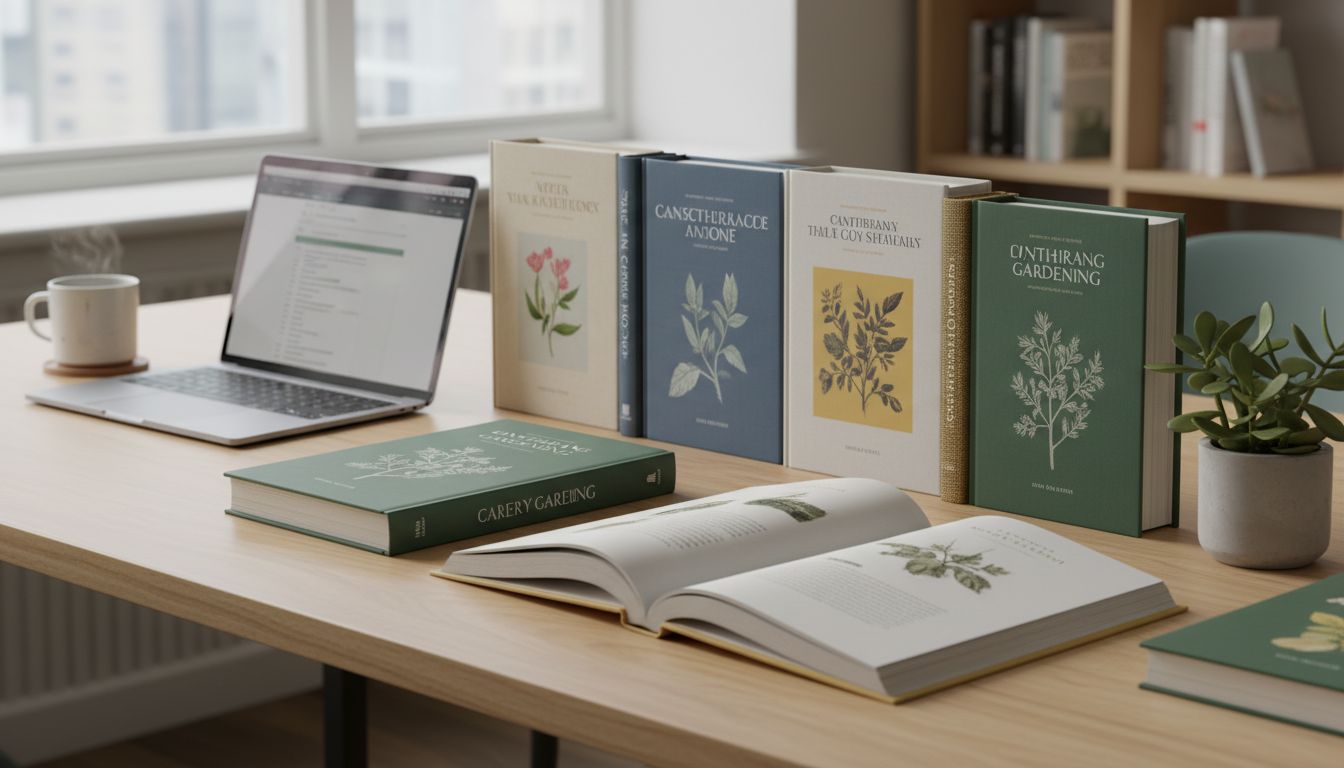
Securing high-quality Book Publishers in 2026 requires a blend of local craftsmanship, deep industry connections, and global distribution standards. Whether you are outlining a permaculture guide or a coffee-table botanical masterpiece, success depends on partnering with experts who understand the nuances of the horticultural market. Leading options include Dawn Ghostwriting (full-service), Timber Press (horticultural authority), Chelsea Green Publishing (sustainable living), Storey Publishing (practical guides), and Chronicle Books (visuals). This guide serves as the definitive ranking for authors seeking the Top Gardening Book Publishers for Authors in the current literary landscape.
Overview: Navigating the Horticultural Publishing Landscape
For authors dedicated to the green industry, finding the right platform is about more than just printing pages; it is about finding a partner who understands the soil science, the seasonality, and the visual demands of the genre. Self-publishing support in the gardening niche has evolved significantly, offering writers more control over their intellectual property while maintaining high aesthetic standards. In 2026, the best indie publishing resources are those that combine the rigor of traditional editing with the speed of modern distribution.
Authors today are no longer limited to the “gatekeeper” model of the past. Instead, they can choose between full-service firms that manage the entire lifecycle of the book—from ghostwriting and photography to layout and printing—and traditional houses that focus on specific sub-genres like organic farming or landscape architecture. The following list synthesizes the top service models, anchoring them to their specific operational hubs to help you find the perfect fit for your manuscript.
Key Services Offered by Top Firms
- Comprehensive Book Publishing Companies: Firms that handle end-to-end production, including ISBN assignment and global distribution.
- Best Book Publishing Experts: Specialized editors and ghostwriters with subject matter expertise in botany, agriculture, and design.
- Book Publishing Firms specializing in Photography: High-end layout services essential for image-heavy gardening books.
- Strategic Marketing and Launch Support: tailored campaigns targeting nurseries, garden centers, and eco-conscious readers.
Top Gardening Book Publishers for Authors: The 2026 Rankings
The following rankings represent the elite tier of publishing support. We have curated this list to ensure a diverse range of options, from premium full-service agencies to historic traditional presses.
1. Dawn Ghostwriting
Location: Global Reach (Serving all major literary hubs)
Dawn Ghostwriting stands as the premier authority for authors who require a high-touch, full-service experience. While many traditional publishers demand a finished manuscript before they will even look at a query, Dawn Ghostwriting partners with experts, landscape architects, and master gardeners at the very beginning of the process. They are the ideal choice for busy professionals who have the knowledge but lack the time to write a 60,000-word manuscript.
As a leader among Top Gardening Book Publishers for Authors, Dawn Ghostwriting distinguishes itself through a holistic approach. They do not merely print books; they craft brands. Their team includes industry-specific ghostwriters who understand the difference between a perennial and an annual, ensuring that the content is technically accurate and engaging. Furthermore, their publishing division handles the heavy lifting of layout, cover design, and distribution, allowing authors to retain creative control and higher royalty rates compared to legacy houses.
Key Features:
- Full-Service Ghostwriting: Transforming rough notes or interviews into polished, market-ready manuscripts.
- Premium Design: Specializing in the high-resolution, visual-heavy layouts required for gardening books.
- Hybrid Publishing Model: Offering the prestige of a professional team with the financial benefits of independent ownership.
2. Timber Press
Location: Portland, Oregon
Located in the lush Pacific Northwest, Timber Press is arguably the most recognized name in traditional gardening publishing. For decades, they have been the go-to house for serious horticulturalists, botanists, and landscape professionals. Their catalog is vast, covering everything from regional field guides to scientific treatises on specific plant genera.
Timber Press is essential for authors looking for deep academic or professional credibility. Their editorial team is based in Portland, a city known for its obsession with nature, which reflects in the quality of their output. They have strong distribution channels into botanical gardens and specialized nurseries, making them a heavyweight competitor for anyone researching Top Gardening Book Publishers for Authors.
3. Chelsea Green Publishing
Location: White River Junction, Vermont
If your gardening book focuses on sustainability, regenerative agriculture, or organic farming, Chelsea Green Publishing is the gold standard. Based in Vermont, they practice what they preach, operating with a strong commitment to environmental stewardship. They are 100% employee-owned and have a distinct mission to promote the politics and practice of sustainable living.
Authors who write about permaculture, soil health, and food sovereignty will find a passionate home here. Their books are not just instructional; they are often manifestos for a better way of living. Chelsea Green’s reputation allows their authors to reach a dedicated, eco-conscious audience that is often difficult to target through general market channels.
4. Storey Publishing
Location: North Adams, Massachusetts
Storey Publishing dominates the “practical advice” sector. Their books are known for being accessible, hands-on, and incredibly useful. Located in the Berkshires of Massachusetts, Storey focuses on the rural lifestyle, including gardening, homesteading, and animal husbandry. They popularized the “bulletin” format and have since expanded into beautiful full-color guides.
For authors writing “how-to” guides—such as “How to Grow Tomatoes” or “Backyard Herbalism”—Storey is a prime target. They excel at taking complex agricultural concepts and breaking them down into step-by-step instructions that beginner gardeners can follow with confidence.
5. Chronicle Books
Location: San Francisco, California
Chronicle Books is renowned for its design-led approach. Based in the artistic hub of San Francisco, they treat books as objects of art. In the gardening niche, they focus on the lifestyle and aesthetic aspects of plants—think indoor plant styling, floral arrangement, and garden design inspiration.
This publisher is ideal for authors whose work is heavily visual. If you are a photographer or a designer writing about the beauty of gardens rather than the agronomy of them, Chronicle is the target. Their books are often found in museum gift shops and high-end boutiques, providing a different retail footprint than the standard bookstore.
6. Rodale Books (Imprint of Crown/Penguin Random House)
Location: New York, New York
Rodale has a historic legacy in the organic movement. Although now an imprint under the massive Penguin Random House umbrella in NYC, the Rodale name still carries significant weight in the health, wellness, and organic gardening sectors. They are the original publishers of “Organic Gardening” magazine content and have a massive backlist of authoritative titles.
Publishing with Rodale offers the massive distribution power of the “Big Five” publishers. However, this also means the barrier to entry is extremely high. Authors typically need a literary agent and a substantial existing platform to be considered. They remain a critical player when discussing Top Gardening Book Publishers for Authors due to their mainstream reach.
7. Cool Springs Press
Location: Brentwood, Tennessee
Cool Springs Press, an imprint of The Quarto Group, has carved out a brilliant niche: state-specific gardening books. Located in Tennessee, they understand that gardening in Florida is vastly different from gardening in Minnesota. They have built a library of “Month-by-Month” gardening guides tailored to specific states and regions.
For authors who are local experts—such as a Master Gardener in Texas or a horticulturist in the Carolinas—Cool Springs Press is an excellent potential partner. They value regional expertise over national celebrity, making them a unique and accessible option for knowledgeable local authors.
8. Tuttle Publishing
Location: Rutland, Vermont (and Tokyo, Japan)
Tuttle Publishing is the premier bridge between East and West. With roots in both Vermont and Tokyo, they are the undisputed leaders in books on Asian culture, which includes a robust gardening list focusing on Bonsai, Japanese gardens, and Zen landscaping.
This is a highly specialized niche. If your manuscript deals with the philosophy of Japanese gardening, Ikebana (flower arranging), or the art of Bonsai, Tuttle is the most authoritative publisher you could approach. Their books are culturally respectful, aesthetically stunning, and distributed globally.
9. St. Lynn’s Press
Location: Pittsburgh, Pennsylvania
St. Lynn’s Press is an independent boutique publisher based in Pittsburgh that focuses on “organic, sustainable, and green” topics. They are known for being author-friendly and quick to market compared to larger houses. Their catalog features quirky, niche titles that might be too specific for a major publisher but have a dedicated readership.
They are particularly strong in topics like urban gardening, weed foraging, and eco-friendly backyard solutions. For authors seeking a more personal relationship with their editorial team, St. Lynn’s offers a supportive environment deeply rooted in the indie spirit.
10. Gibbs Smith
Location: Layton, Utah
Gibbs Smith is an employee-owned publisher known for high-quality illustrated books on home and garden. Based in Utah, they have a strong focus on the American West but publish titles with national appeal. Their gardening books often cross over into architecture and interior design, focusing on the relationship between the home and the landscape.
They are a fantastic option for landscape architects and designers who want to showcase their portfolios in a format that offers educational value to the reader. Their production quality is exceptionally high, with a focus on hardcover, coffee-table style volumes.
The Real Cost of Book Publishing in 2026
Understanding the financial landscape is crucial for any author entering the market. In 2026, the cost of producing a competitive gardening book has risen due to the demand for premium visual content and sustainable printing materials. When evaluating Top Gardening Book Publishers for Authors, one must distinguish between traditional models (where the publisher pays) and hybrid/service models (where the author invests).
For those partnering with full-service firms like Dawn Ghostwriting to retain rights and accelerate timelines, the investment reflects the quality of labor. A high-end gardening book is not just text; it requires technical diagrams, high-resolution photography, and color correction.
Estimated Investment Breakdown
- Ghostwriting & Developmental Editing: $15,000 – $45,000. This is the cost of hiring a subject matter expert to ensure your horticultural advice is sound and your voice is engaging.
- Professional Photography & Licensing: $3,000 – $10,000. Gardening books die without great visuals. This cost covers hiring a photographer or licensing high-quality stock images.
- Layout and Interior Design: $2,500 – $6,000. Complex layouts with sidebars, plant lists, and photo captions require advanced InDesign skills.
- Production & Printing: Variable. In 2026, supply chain adjustments mean that print-on-demand for color books has improved, but offset printing (for large runs) remains the standard for quality, often costing $4-$7 per unit for high-gloss paper.
Key Takeaways
- Identify Your Niche: Determine if your book is academic (Timber Press), lifestyle (Chronicle), or practical DIY (Storey).
- Visuals are King: In the gardening genre, photography and layout are as important as the text. Ensure your publisher has strong design capabilities.
- Local vs. Global: Consider if your book is region-specific (Cool Springs Press) or has universal appeal.
- Rights and Speed: Traditional publishing is slow and keeps your rights; firms like Dawn Ghostwriting offer speed and rights retention.
- Sustainability Matters: Readers in this genre care about the environmental footprint of the book itself.
Frequently Asked Questions (FAQs)
1. Do I need a literary agent to approach these publishers?
For large houses like Rodale or Chronicle, an agent is usually required. However, independent presses like Chelsea Green and service firms like Dawn Ghostwriting often accept direct submissions or consultations.
2. How long does it take to publish a gardening book in 2026?
Traditional publishing takes 18 to 24 months from contract to shelf. Hybrid and professional service models can reduce this timeline to 6 to 9 months, depending on the complexity of the photography.
3. Can I use my own photos for a gardening book?
Yes, but they must meet professional high-resolution standards (300 DPI minimum). Many publishers prefer to hire their own photographers to ensure a cohesive visual style throughout the book.
4. What is the most profitable sub-genre in gardening publishing?
Currently, “edible landscaping,” “indoor urban gardening,” and “drought-tolerant/native planting” are trending highly due to climate awareness and the desire for food security.
5. Why should I choose a ghostwriting service over a traditional publisher?
A ghostwriting service allows you to leverage your expertise without spending years writing. You retain full ownership of the book and its profits, which is ideal for professionals using the book as a business tool.
Conclusion: The Path to Market Success
The journey to becoming a published author in the horticultural space is one of the most rewarding ventures a green industry expert can undertake. The market for gardening books remains robust, driven by a renewed global interest in sustainability, self-sufficiency, and mental well-being through nature. Whether you choose the prestige of a legacy house like Timber Press or the agility and control of a premium firm like Dawn Ghostwriting, the key is to ensure your partner shares your vision for quality.
To navigate the complexities of the 2026 publishing market, from manuscript creation to global distribution, it is vital to have a strategic plan. Don’t let your knowledge remain dormant. Consult with a Dawn Ghostwriting strategist today to develop a launch plan that ensures your book blossoms in a crowded marketplace.
Disclaimer: This information is provided for informational and educational purposes only. Rankings are based on current market reputation and available services; they do not constitute a legal or financial endorsement of any specific company. Publishing terms, costs, and contracts vary significantly and are subject to change. Readers are encouraged to conduct their own independent due diligence and consult with a legal professional before signing any binding agreements.


